
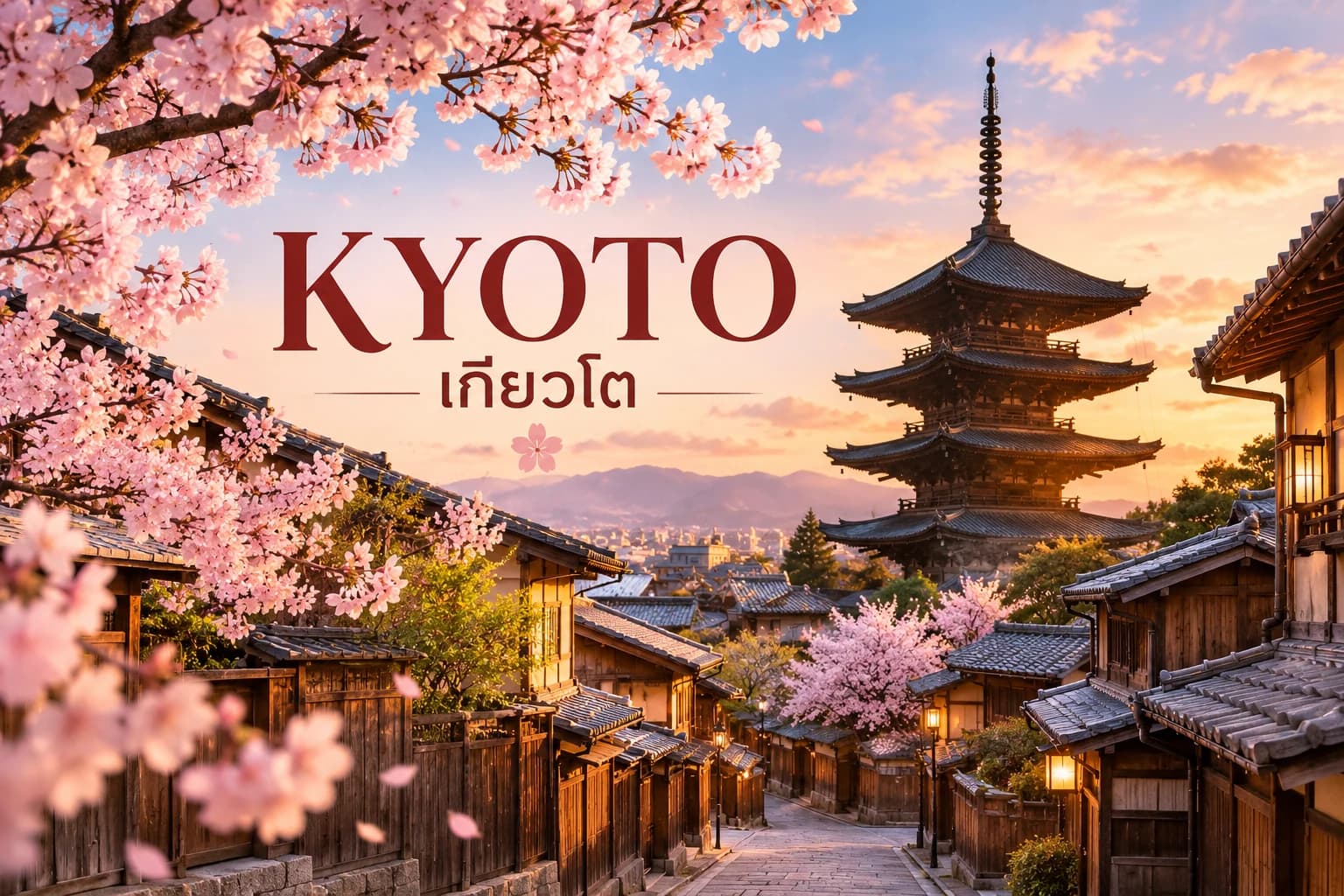
Kyoto, Japan
Discover Kyoto, Japan, with our guide to famous temples, shrines, historic streets, nature, local cuisine, and travel itineraries for first-time visitors.
Discover Kyoto
Kyoto is one of Japan’s most distinctive travel destinations, renowned for its culture, history, temples, shrines, traditional architecture, and charming historic streets. Kyoto served as Japan’s capital for more than 1,000 years, making it an ideal place to experience the country’s cultural heritage and traditional way of life.
What makes Kyoto special is its atmosphere, which differs from major metropolitan cities such as Tokyo and Osaka. Visitors can explore the traditional stone-paved streets and wooden houses of Higashiyama, visit the famous Kiyomizu-dera Temple, admire the red torii gates at Fushimi Inari Taisha, or stroll through the peaceful bamboo forests of Arashiyama.
Beyond its historic attractions, Kyoto is also known for traditional Japanese cuisine, local sweets, green tea, and interesting markets. It is an excellent destination for travelers who enjoy cultural experiences, photography, leisurely walks, and relaxing in peaceful surroundings.
For first-time visitors to Japan, we recommend spending around 3–4 days in Kyoto to explore the main attractions at a comfortable pace. If you have more time, you can discover quieter neighborhoods or visit other destinations in the Kansai region.
Top Attractions in Kyoto
Kyoto offers a wide range of attractions, including historic temples and shrines, traditional neighborhoods, bamboo forests, Japanese gardens, and local food markets. Planning your itinerary by area can help reduce travel time and give you more opportunities to explore.
1. Kiyomizu-dera Temple — A Famous Historic Temple
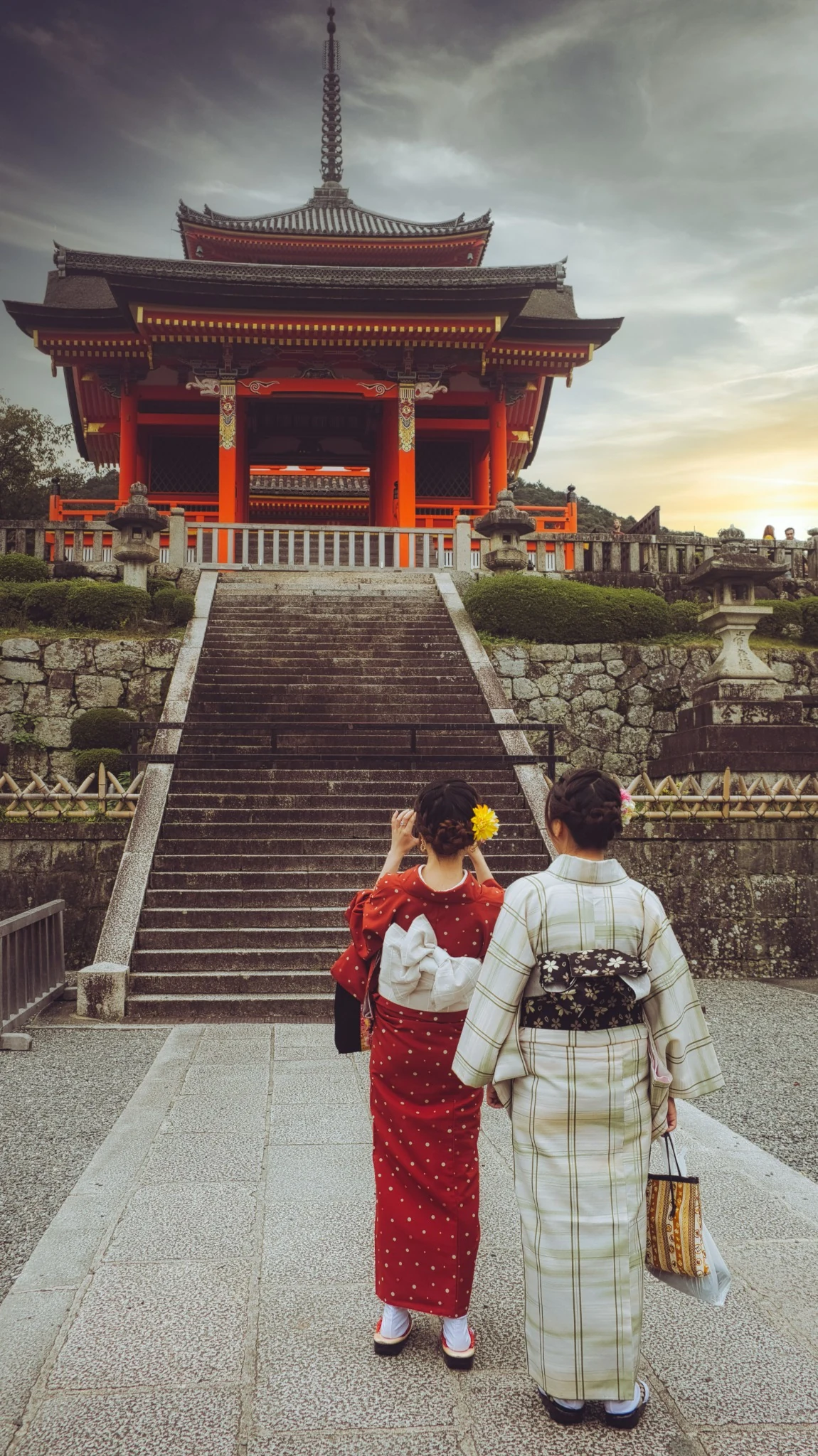
Kiyomizu-dera is one of Kyoto’s most famous temples. It is renowned for its traditional wooden architecture and large viewing terrace extending out from the hillside, offering beautiful views of the city and surrounding natural scenery.
Near the temple, you will find historic streets such as Sannenzaka and Ninenzaka, which are lined with souvenir shops, Japanese sweets shops, cafés, and kimono rental stores.
Visitors can explore traditional architecture, photograph the old streets, and browse local shops along the way. To fully enjoy the scenery and atmosphere, allow enough time for walking up and down the hills and stairs.
If you plan to enter the temple, check the official website for the latest opening hours, admission fees, and visitor requirements before your trip.
Best for: Travelers who enjoy Japanese temples, traditional architecture, photography, and exploring historic streets.
2. Gion and Higashiyama — Charming Historic Neighborhoods
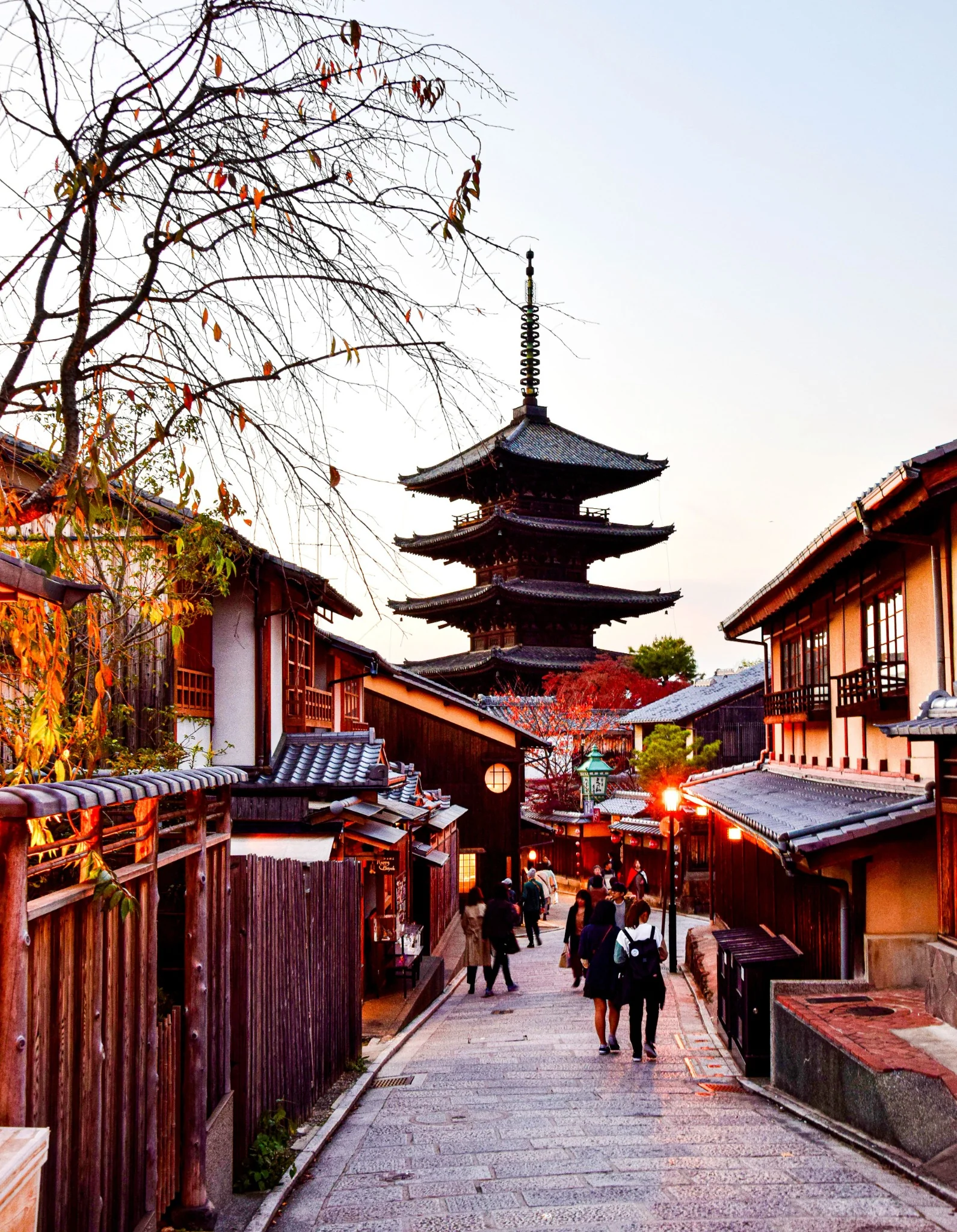
Gion and Higashiyama are among the areas that best capture Kyoto’s traditional atmosphere. They feature historic streets, traditional wooden houses, teahouses, restaurants, and cultural attractions that preserve the city’s distinctive character.
Gion is closely associated with geisha and geiko culture, while Higashiyama is known for its old streets and traditional buildings. Visitors can easily combine these areas with Kiyomizu-dera, Yasaka Shrine, and the Sannenzaka–Ninenzaka streets.
Early mornings and evenings can be pleasant times for walking and photography. However, visitors should respect local residents and workers by keeping walkways clear, staying out of private property, and never photographing people without permission.
Best for: Travelers interested in Japanese culture, historic neighborhoods, traditional wooden architecture, cafés, and photography.
3. Arashiyama Bamboo Grove — A Scenic Bamboo Forest
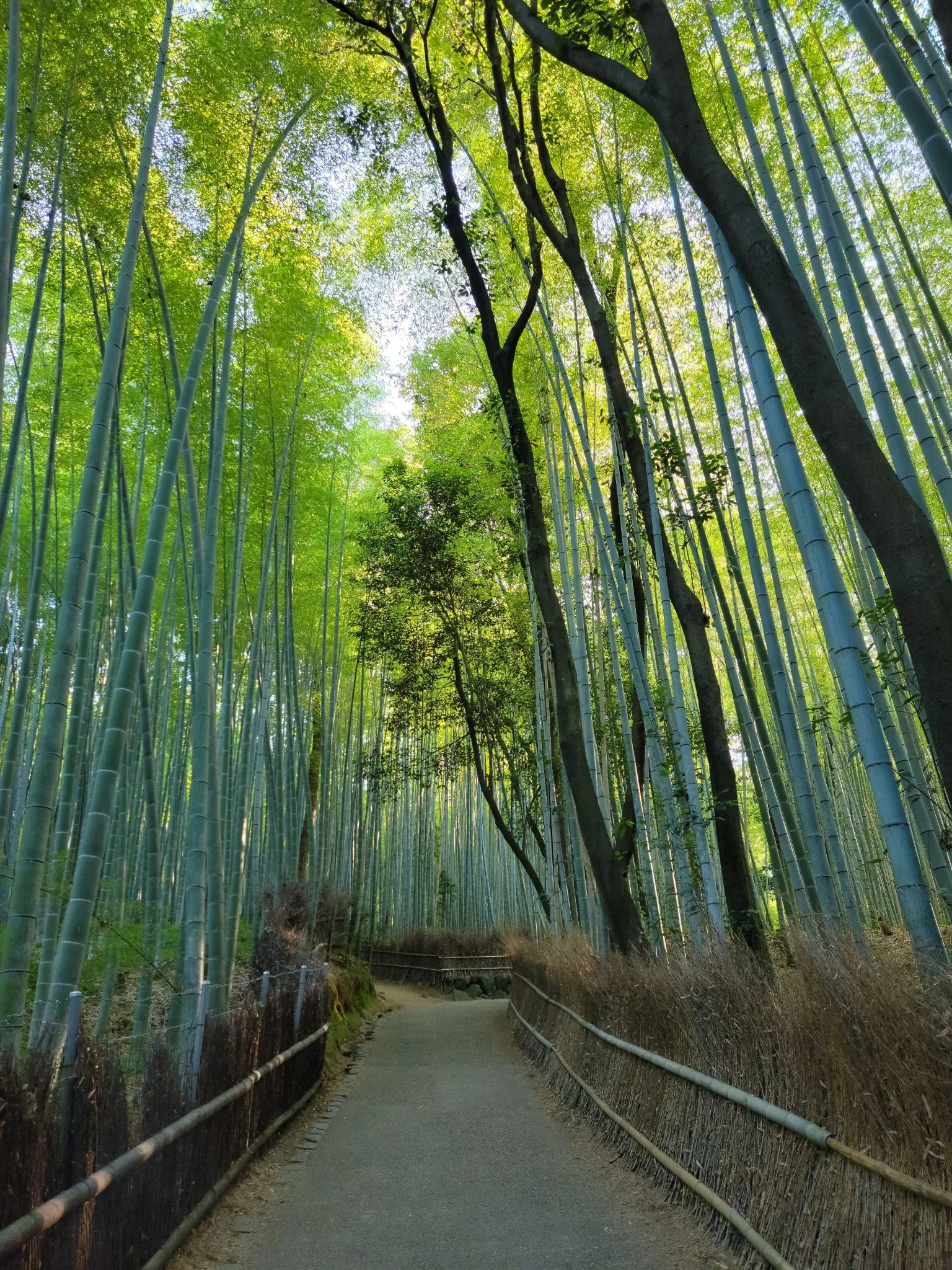
Arashiyama Bamboo Grove is one of Kyoto’s most famous natural attractions. Tall bamboo stalks line the walking paths, creating a peaceful atmosphere that feels very different from the busy city center.
The Arashiyama area also features other attractions, including Togetsukyo Bridge and the scenic banks of the Katsura River. These spots are ideal for leisurely walks, enjoying the views, and taking photographs. You can also explore nearby shops, cafés, and restaurants.
Visiting in the morning is recommended if you want to enjoy the bamboo grove or take photographs when it may be less crowded. However, visitor numbers vary depending on the day and season.
While exploring, stay on designated paths, avoid climbing or damaging the bamboo, and help preserve the peaceful atmosphere of the area.
Best for: Nature lovers, couples, families, and travelers who enjoy photography and green landscapes.
4. Fushimi Inari Taisha — The Famous Thousand Torii Gates
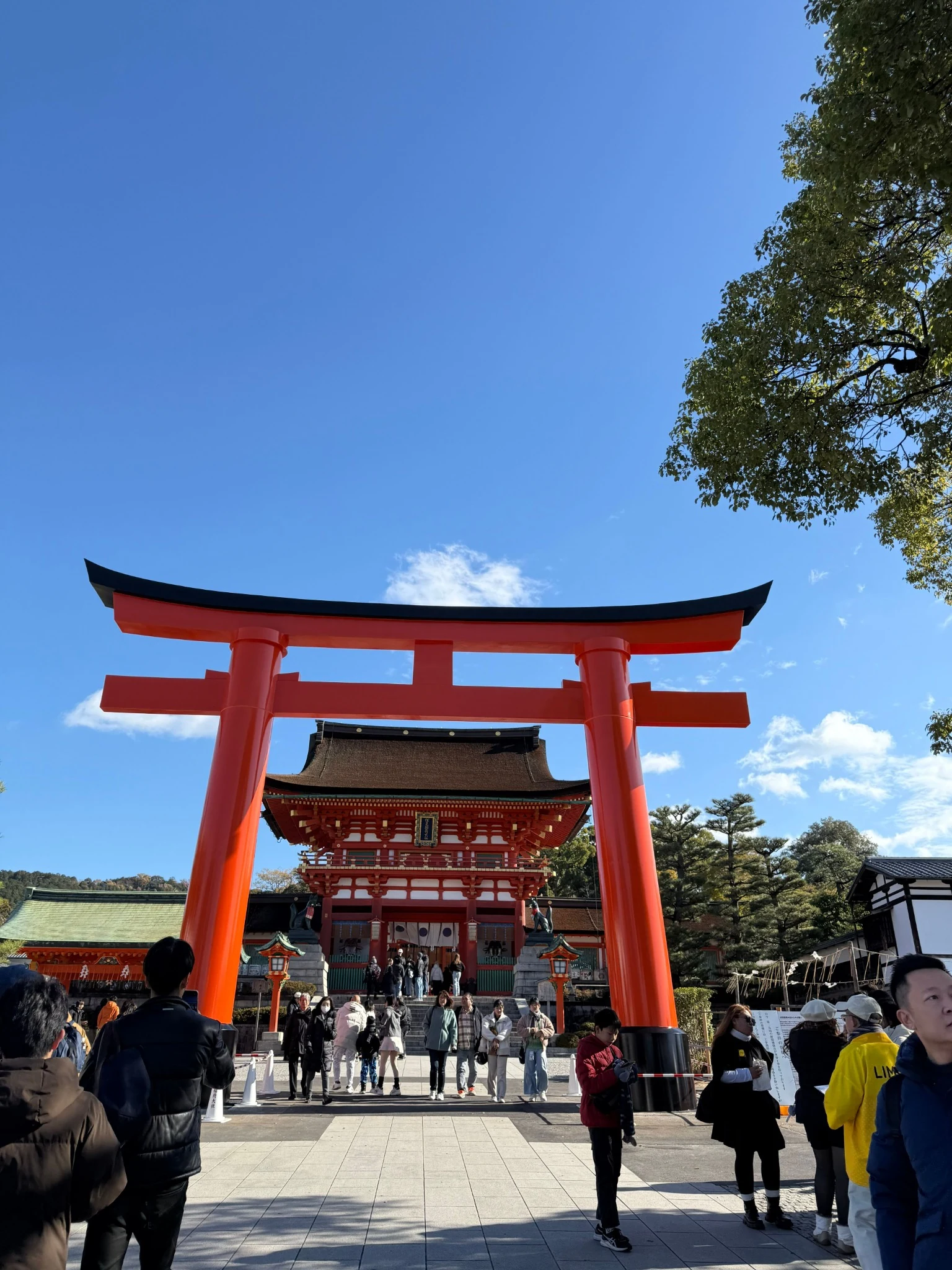
Fushimi Inari Taisha is a famous Shinto shrine known for its many red torii gates, which form striking pathways along Mount Inari. The scenery has become one of Kyoto’s most recognizable images and a must-see attraction for many visitors.
Near the entrance, you can explore the shrine buildings and take photographs beneath the torii gates. Travelers who want to explore further can follow the mountain paths according to their available time and preferred walking distance.
If you plan to walk farther up the mountain, wear comfortable walking shoes, bring drinking water, and allow enough time. The distance and uphill sections can make the walk more strenuous than sightseeing in the city center.
As this is an active religious site, follow the shrine’s rules, avoid making excessive noise, and be considerate of people who are visiting to worship.
Best for: Travelers interested in Japanese culture, sacred sites, photography, and nature walks.
5. Kinkaku-ji — Kyoto’s Golden Pavilion
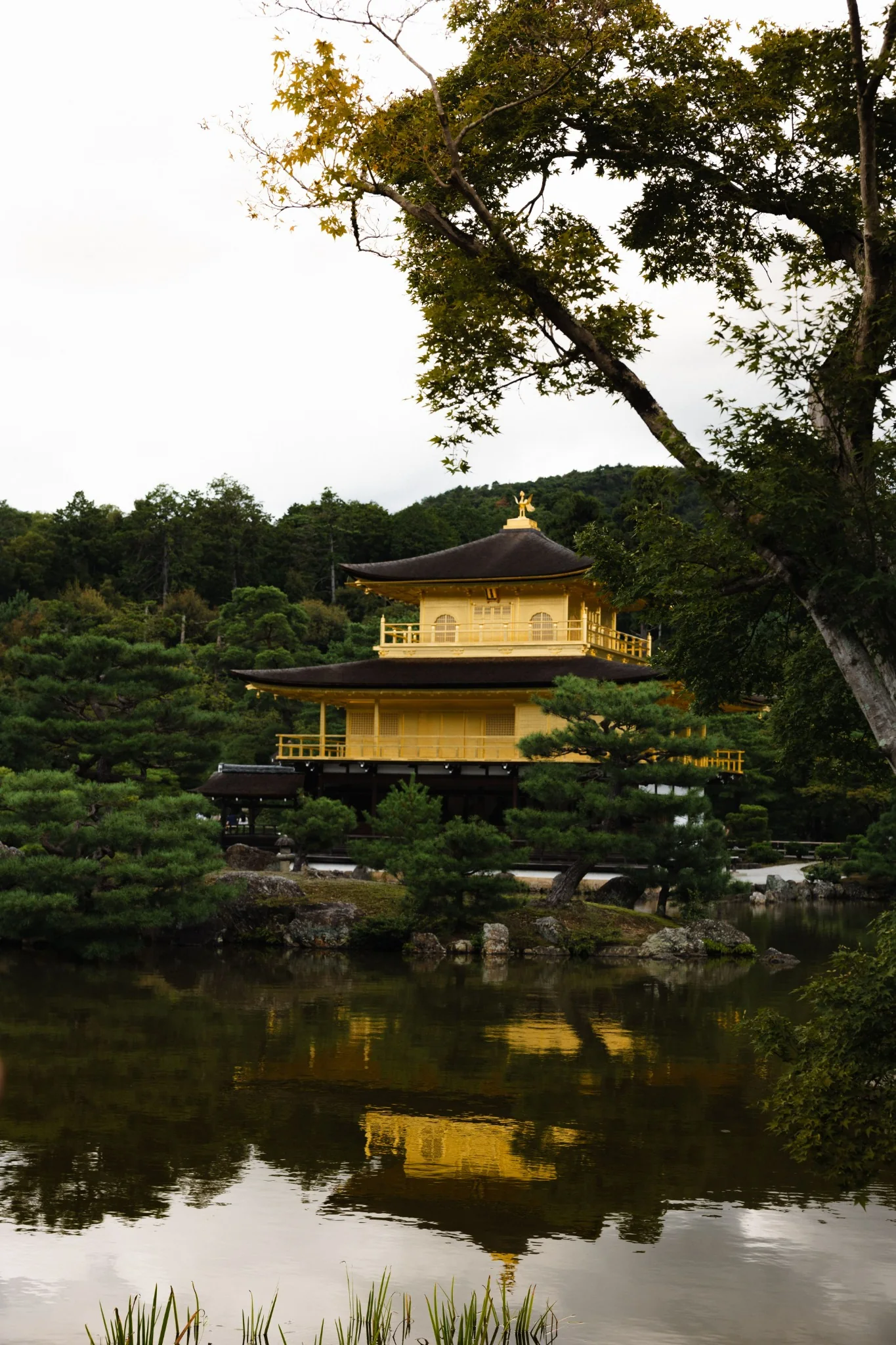
Kinkaku-ji, also known as the Golden Pavilion, is one of Kyoto’s most famous landmarks. Its distinctive exterior, decorated with gold leaf, is reflected in the water of Kyokochi Pond, creating a beautiful scene framed by carefully landscaped Japanese gardens.
Visitors can follow the designated walking route to admire the pavilion from different viewpoints and enjoy the surrounding gardens. The temple is particularly appealing to travelers interested in Japanese art, architecture, and religious culture.
When taking photographs, be mindful of other visitors and follow the designated paths rather than entering restricted areas to find a better viewpoint.
Before your visit, check the latest opening hours, admission fees, and visitor information through official sources.
Best for: Travelers interested in Japanese temples, history, gardens, and iconic photography spots.
6. Nishiki Market — A Historic Food Market in Central Kyoto
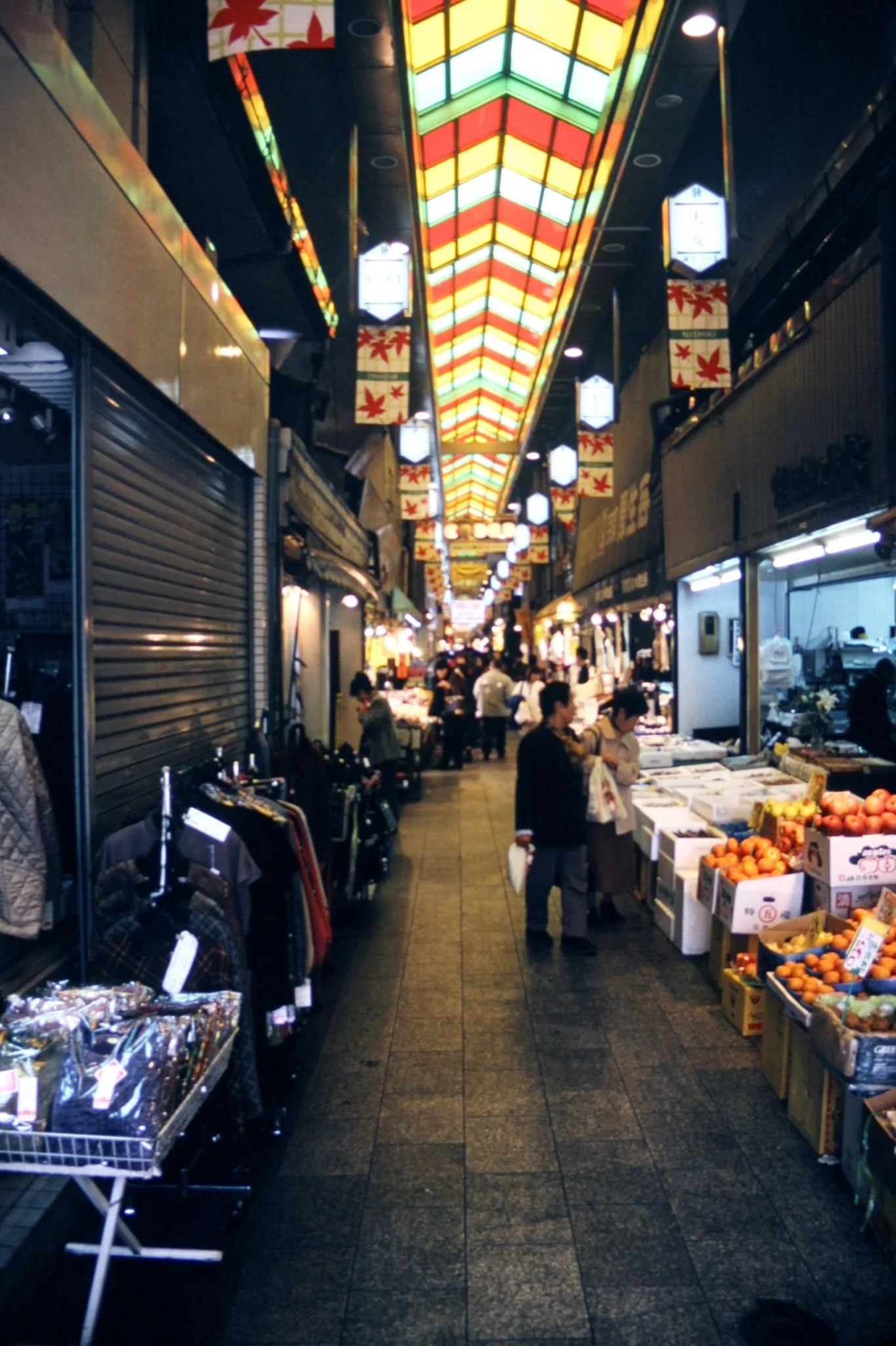
Nishiki Market is a popular historic food market in central Kyoto. Its covered shopping arcade is lined with shops selling local ingredients, prepared foods, Japanese sweets, pickles, tea, seasonings, and a wide range of souvenirs.
The market is often referred to as “Kyoto’s Kitchen” because of its long association with the city’s food culture. It is a great place to learn about local ingredients and discover traditional Kyoto specialties.
While exploring the market, you can purchase Japanese sweets, browse local products, and look for souvenirs. Check prices before ordering food and be mindful of the relatively narrow walkways.
Visitors are also encouraged not to eat while walking through the market, helping reduce congestion and keep the area clean.
Best for: Food lovers, travelers interested in local cuisine, souvenir shoppers, and visitors who enjoy exploring traditional markets.
7. Nijo Castle — A Historic Castle with Beautiful Gardens
Nijo Castle is an important historic attraction in Kyoto, known for its traditional Japanese architecture and carefully landscaped gardens. Its buildings and grounds reflect Japan’s history and the culture of its former ruling class.
Visitors can explore the buildings and gardens along the designated routes to learn more about traditional architectural styles and the historical role of the castle.
It is a great destination for travelers who want to learn about Kyoto’s political history and experience a different side of the city beyond its temples and shrines.
Before visiting, check the official information for current opening hours, accessible areas, and ticket requirements.
Best for: History enthusiasts, Japanese architecture lovers, garden enthusiasts, and travelers interested in cultural heritage.
8. Philosopher’s Path — A Peaceful Nature Walk
Philosopher’s Path, known in Japanese as Tetsugaku no Michi, is a scenic walking route famous for its peaceful atmosphere. The path follows a canal lined with trees, making it an ideal place to escape the crowds and enjoy a leisurely walk.
During spring, the area is particularly well known for cherry blossom viewing. In other seasons, the scenery changes with the weather and surrounding vegetation.
You can combine a walk along Philosopher’s Path with nearby attractions such as Ginkaku-ji, also known as the Silver Pavilion. Check the route and walking time before planning your visit.
Best for: Nature lovers, couples, photography enthusiasts, and travelers looking for a peaceful atmosphere.
9. Yasaka Shrine — A Traditional Shinto Shrine
Yasaka Shrine is located near the Gion district and can easily be combined with a visit to Higashiyama. The shrine features distinctive architecture and an atmosphere that reflects Japan’s Shinto traditions.
Visitors can explore the shrine grounds and continue toward the streets of Gion or nearby Maruyama Park, depending on their itinerary.
Because this is an active religious site, respect the shrine and those visiting to worship. Follow visitor guidelines and check any relevant information before your trip.
Best for: Travelers interested in Japanese culture, historic sites, and exploring the Gion area.
Must-Try Local Food in Kyoto
Kyoto has a long-standing food culture, ranging from refined Japanese cuisine to everyday local dishes, traditional sweets, and green tea. Its culinary traditions have been shaped by history, seasonal ingredients, and careful food preparation.
1. Kyo-kaiseki — Traditional Japanese Multi-Course Cuisine
Kyo-kaiseki is a traditional Japanese multi-course dining experience that emphasizes seasonal ingredients, careful presentation, and balanced flavors. It is an excellent choice for travelers who want to experience Kyoto’s refined food culture.
Some restaurants offer seasonal menus at different price levels. Check the menu, prices, and reservation requirements before visiting.
2. Obanzai — Kyoto-Style Home Cooking
Obanzai refers to traditional Kyoto-style home cooking, often featuring seasonal and locally sourced ingredients such as vegetables and tofu.
The dishes vary, offering a taste of everyday local cuisine in a relaxed setting. This is a great option for visitors who want to explore Kyoto’s food culture without necessarily choosing a formal dining experience.
3. Shojin Ryori — Traditional Buddhist Cuisine
Shojin Ryori is rooted in Buddhist culinary traditions. It focuses on plant-based ingredients and careful preparation and is often available at temples or restaurants specializing in this style of cuisine.
It is an interesting experience for vegetarians and travelers interested in traditional Japanese food. However, always check the ingredients and soup stock with the restaurant before ordering.
4. Yudofu — Japanese Hot Tofu
Yudofu is a simple Japanese dish featuring tofu gently simmered in hot water and served with dipping sauces or seasonings. It is ideal for travelers looking for a light meal that highlights the natural flavor of the ingredients.
You can find this dish at many Japanese restaurants, particularly those specializing in tofu or traditional cuisine.
5. Matcha and Traditional Japanese Sweets
Kyoto is famous for its green tea and traditional Japanese sweets. Visitors can try matcha, green tea drinks, matcha ice cream, and a variety of desserts made with green tea.
Another popular specialty is Yatsuhashi, a traditional Kyoto sweet that makes a lovely souvenir for family and friends.
If you want to experience Japanese tea culture, consider visiting a tea shop that offers a traditional tea experience. Check the available sessions, prices, and reservation requirements beforehand.
Food tip: If you have food allergies or dietary restrictions, ask about ingredients before ordering, especially soup stock, seasonings, and sweets that may contain unexpected ingredients.
Best Areas to Stay in Kyoto
When choosing accommodation, consider your budget, the nearest railway station, the length of your stay, and the attractions you plan to visit. Kyoto’s main attractions are spread across different parts of the city, and bus journeys can take longer than expected when traffic is heavy.
Kyoto Station
The area around Kyoto Station is convenient for arriving in and departing from the city, as well as connecting to other destinations. It offers restaurants, shopping malls, and hotels across various price ranges.
It is a particularly practical choice for travelers carrying luggage or planning to visit multiple cities in the Kansai region.
Kawaramachi and Shijo
Kawaramachi and Shijo are ideal for visitors who want to stay near shopping streets, restaurants, cafés, and central entertainment areas. You can also explore Nishiki Market and the area around the Kamo River.
Gion and Higashiyama
These areas are suitable for travelers who love traditional surroundings, wooden houses, historic streets, and cultural attractions. Staying here may make it easier to explore nearby sights early in the morning or in the evening.
Check the walking distance to the nearest station and the accommodation’s rules before booking, especially if you choose a small guesthouse or traditional property in a residential neighborhood.
Arashiyama
Arashiyama is a good option for travelers who want to stay close to nature and focus on the bamboo grove, river scenery, and attractions in western Kyoto. The atmosphere is different from that of the city center.
However, if you plan to explore several parts of Kyoto in one day, compare journey times and transport connections before choosing accommodation in this area.
Before booking a hotel, check the walking distance to the nearest station, routes to your planned attractions, and realistic travel times. This will help make your itinerary more convenient.
Getting Around Kyoto
Kyoto has several forms of public transportation, including trains, subways, and buses. Combining trains with buses when necessary can make reaching major attractions easier, especially in areas farther from railway stations.
Trains and Subway
Trains and the subway are useful for traveling between major stations and different parts of the city, as well as reaching some tourist attractions.
Check the train line, transfer stations, and final destination before setting off.
Kyoto City Buses
Buses serve many tourist areas, but journeys can take longer than expected when visitor numbers and traffic are high.
Check bus routes and timetables in advance. Where practical, consider taking a train to a nearby station and using a bus for the remaining distance.
IC Cards and Transportation Passes
Supported IC cards can make paying fares more convenient. Travelers planning multiple journeys in one day may also want to consider a transportation pass that covers the routes in their itinerary.
Before purchasing a pass, compare the fares for your planned journeys, check which operators are covered, and read the usage conditions. Different passes have different rules.
Tips for Saving Travel Time
-
Group nearby attractions together. For example, visit Kiyomizu-dera, Higashiyama, and Gion on the same day.
-
Use trains or the subway when convenient, and transfer to buses when necessary.
-
Check boarding points and station exits before traveling.
-
Allow enough time to walk between stations and attractions.
-
If you have several bags, consider luggage storage or a luggage delivery service so you can explore more comfortably.
How to Get from Kansai International Airport to Kyoto
Travelers arriving at Kansai International Airport (KIX) have several options for reaching Kyoto. The best choice depends on your accommodation, budget, and the amount of luggage you are carrying.
JR Kansai Airport Limited Express Haruka: This is a convenient option for travelers who want to travel directly from the airport to Kyoto Station. The journey takes approximately 80 minutes, according to Kyoto Travel information. Travel times and train schedules may change.
Airport Limousine Bus: This is another option for reaching Kyoto Station without changing vehicles along the way. The journey takes approximately 100 minutes, although actual travel time depends on traffic conditions.
Before choosing your transportation, look up your accommodation on a map and identify the nearest station or bus stop. Compare routes, costs, and the number of transfers required to make your journey as convenient as possible.
How to Plan a Relaxing 3-Day Kyoto Itinerary
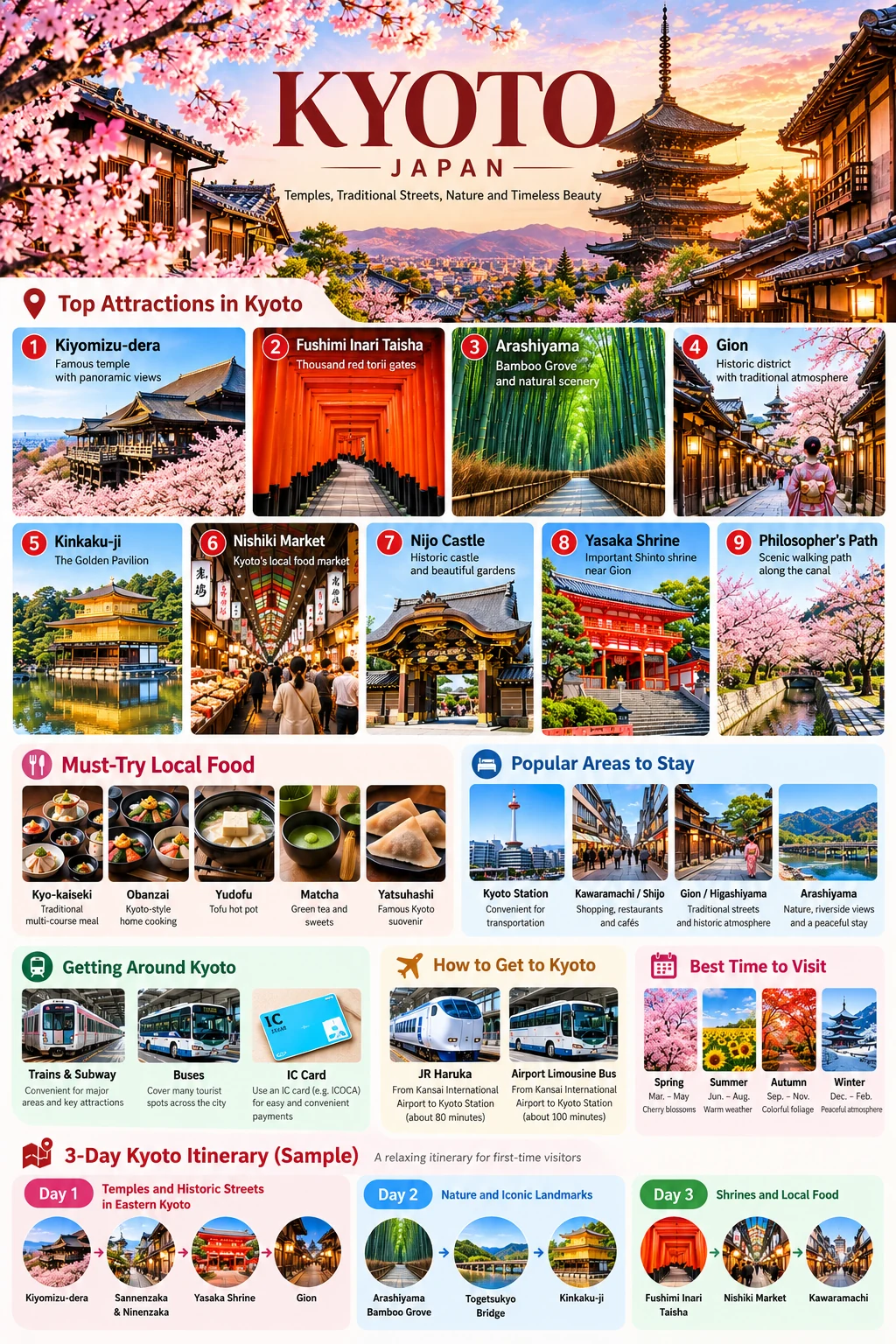
Grouping attractions by area can help reduce travel time and give you more opportunities to enjoy each destination. The following sample itinerary is suitable for first-time visitors and can be adjusted according to your accommodation, weather, and interests.
Day 1: Famous Temples and Historic Streets in Eastern Kyoto
Kiyomizu-dera → Sannenzaka → Ninenzaka → Yasaka Shrine → Gion
Start the day at Kiyomizu-dera Temple. Then explore Sannenzaka and Ninenzaka, historic streets lined with shops, Japanese sweets, cafés, and souvenir stores.
In the afternoon, continue to Yasaka Shrine and finish the day with a walk through Gion. This route is ideal for experiencing traditional Japanese culture and photographing historic architecture.
Wear comfortable walking shoes, as some areas have slopes, stairs, and crowded streets during busy travel seasons.
Day 2: Nature and Iconic Landmarks
Arashiyama Bamboo Grove → Togetsukyo Bridge → Kinkaku-ji
Spend the morning walking through Arashiyama Bamboo Grove and exploring the area around Togetsukyo Bridge. Then allow time to travel to Kinkaku-ji to admire the Golden Pavilion and its surrounding gardens.
As these attractions are in different parts of the city, check the route and estimated journey time before leaving your accommodation to ensure you have enough time at each location.
For a more relaxed day, you can spend longer in Arashiyama and move Kinkaku-ji to another day if necessary.
Day 3: Famous Shrine and Local Market
Fushimi Inari Taisha → Nishiki Market → Kawaramachi
Start the day at Fushimi Inari Taisha to see the red torii gates and explore the paths according to your interests. Then return to central Kyoto to visit Nishiki Market and sample local specialties.
In the afternoon, walk around Kawaramachi, stop at a café, shop for souvenirs, or explore the stores at your own pace.
If you plan to hike farther up the mountain at Fushimi Inari, allow extra time and adjust your afternoon activities according to your energy level and remaining time.
When Is the Best Time to Visit Kyoto?
Kyoto can be visited throughout the year, but each season offers a different atmosphere and range of experiences.
Spring (March–May)
Temperatures begin to rise, making spring a pleasant time for visiting temples, gardens, and cherry blossom viewing spots. If you are traveling to see the blossoms, check forecasts closer to your trip, as the actual flowering period varies each year.
Summer (June–August)
The weather can be hot and humid. Bring drinking water, wear breathable clothing, and take breaks between sightseeing activities. Check the weather forecast in advance, especially if you plan to spend long periods outdoors.
Autumn (September–November)
Autumn is a popular time for viewing seasonal foliage and visiting Japanese gardens. Check local weather conditions and foliage forecasts closer to your travel dates, and allow extra time for popular attractions that may be crowded.
Winter (December–February)
Winter is relatively cold and is a good season for visiting temples, exploring historic streets, and experiencing Kyoto’s winter atmosphere. Bring warm clothing and comfortable shoes suitable for walking in cold weather.
Important Things to Know Before Visiting Kyoto
-
Plan your routes by area: Group nearby attractions together to reduce travel time across the city.
-
Allow extra time for transportation: Some attractions are far from railway stations, and buses may be delayed by traffic.
-
Respect local culture: Dress and behave appropriately when visiting temples and shrines.
-
Respect privacy in Gion: Do not block walkways, enter private property, or photograph people without permission.
-
Follow the rules at Nishiki Market: Avoid eating while walking and dispose of rubbish in designated areas.
-
Check visiting information: Opening hours, admission fees, and entry conditions may change.
-
Wear comfortable shoes: Many areas have stairs, slopes, and stone-paved streets.
-
Plan for your luggage: If you have several bags, consider luggage storage or luggage delivery before sightseeing.
-
Prepare your payment methods: Check whether the stores and attractions you plan to visit accept cash, cards, or other payment methods.
Summary: Exploring Kyoto
Kyoto is an ideal destination for travelers who want to experience Japan’s culture, history, and natural beauty. From Kiyomizu-dera Temple and the historic streets of Gion to Arashiyama Bamboo Grove, Fushimi Inari Taisha, and Kinkaku-ji, the city offers a rich variety of experiences.
For a first visit, we recommend spending around 3–4 days in Kyoto. Organize your itinerary by area and allow enough time to travel between attractions. If you enjoy culture and history, focus on temples, shrines, and historic neighborhoods. If you prefer nature, spend more time in Arashiyama and on scenic walking routes.
Preparing information about accommodation, transportation, restaurants, and attraction opening hours in advance can make your Kyoto trip more convenient and enjoyable.
Explore the Japan Travel Guide
Planning a trip to Japan? Explore our guides to popular destinations and useful travel tips before your journey.
Plan Your Kyoto Trip with Yahweh Booking
Yahweh Booking helps make travel planning easier with flight bookings, hotel reservations, travel insurance, and essential information to prepare for your journey.