
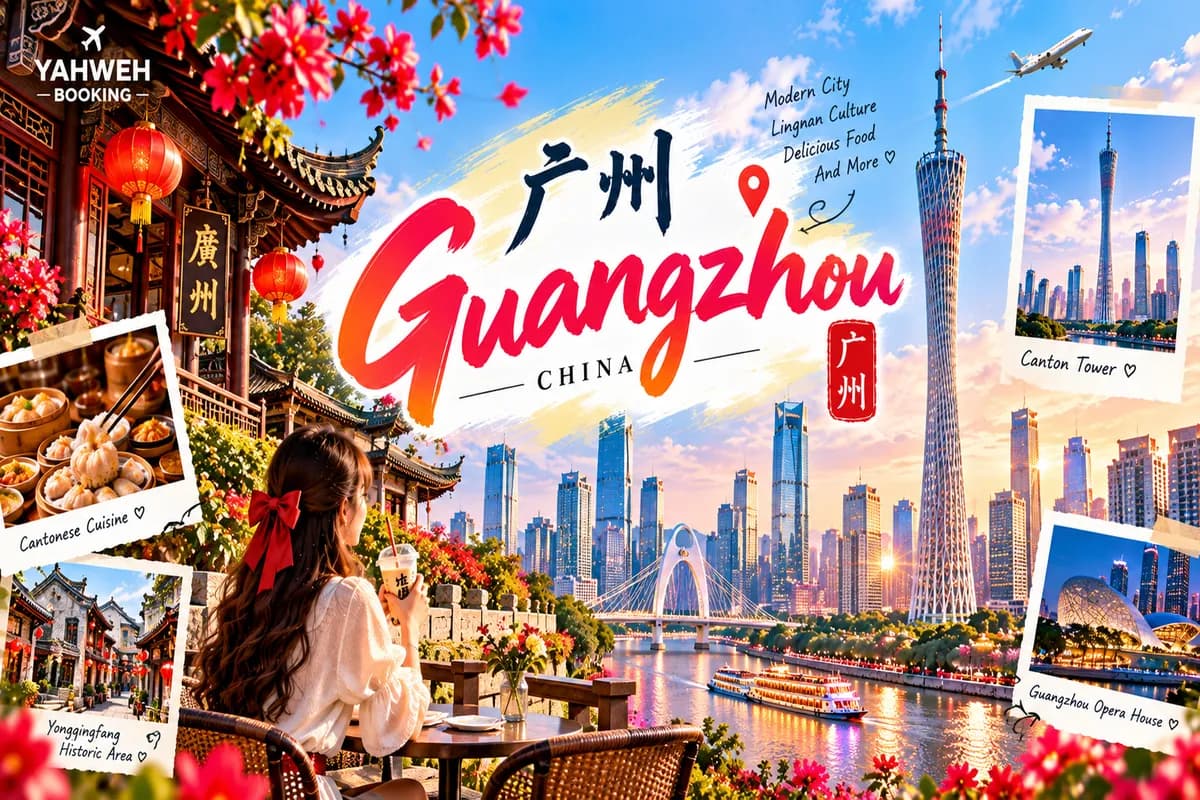
Guangzhou, China
Explore Guangzhou, a city known for Cantonese cuisine, Lingnan culture, shopping districts, and modern landmarks along the Pearl River.
Discover Guangzhou
Guangzhou, also known as Canton, is the capital of Guangdong Province in southern China. It is an important center for business, trade, food, and culture, offering a distinctive blend of traditional Chinese life and modern urban development.
The city is especially famous for Cantonese cuisine, including dim sum, roast meats, wonton noodles, and traditional tea-house dining. Beyond its food scene, Guangzhou features historic neighborhoods, traditional architecture, lively shopping streets, modern skyscrapers, and attractions along the Pearl River.
Whether you are visiting for business, shopping, local food, or cultural experiences, Guangzhou offers a different perspective on China compared with cities such as Beijing and Shanghai.
Top Attractions in Guangzhou
Guangzhou has a variety of attractions, from observation towers and historic buildings to traditional neighborhoods, shopping streets, and riverside districts. Planning your visits by area can help you make better use of your time.
Canton Tower (广州塔)
Canton Tower is one of Guangzhou’s best-known landmarks. Located near the Pearl River and the city’s modern central district, it stands out for its distinctive structure and panoramic views.
Visitors can choose from available observation experiences to enjoy views of the skyline, river, and surrounding cityscape.
The late afternoon is a popular time to visit, as you may be able to see the city during sunset and enjoy the illuminated skyline after dark.
Check official opening hours, ticket prices, and booking conditions before your visit, especially if you plan to use special observation or entertainment facilities.
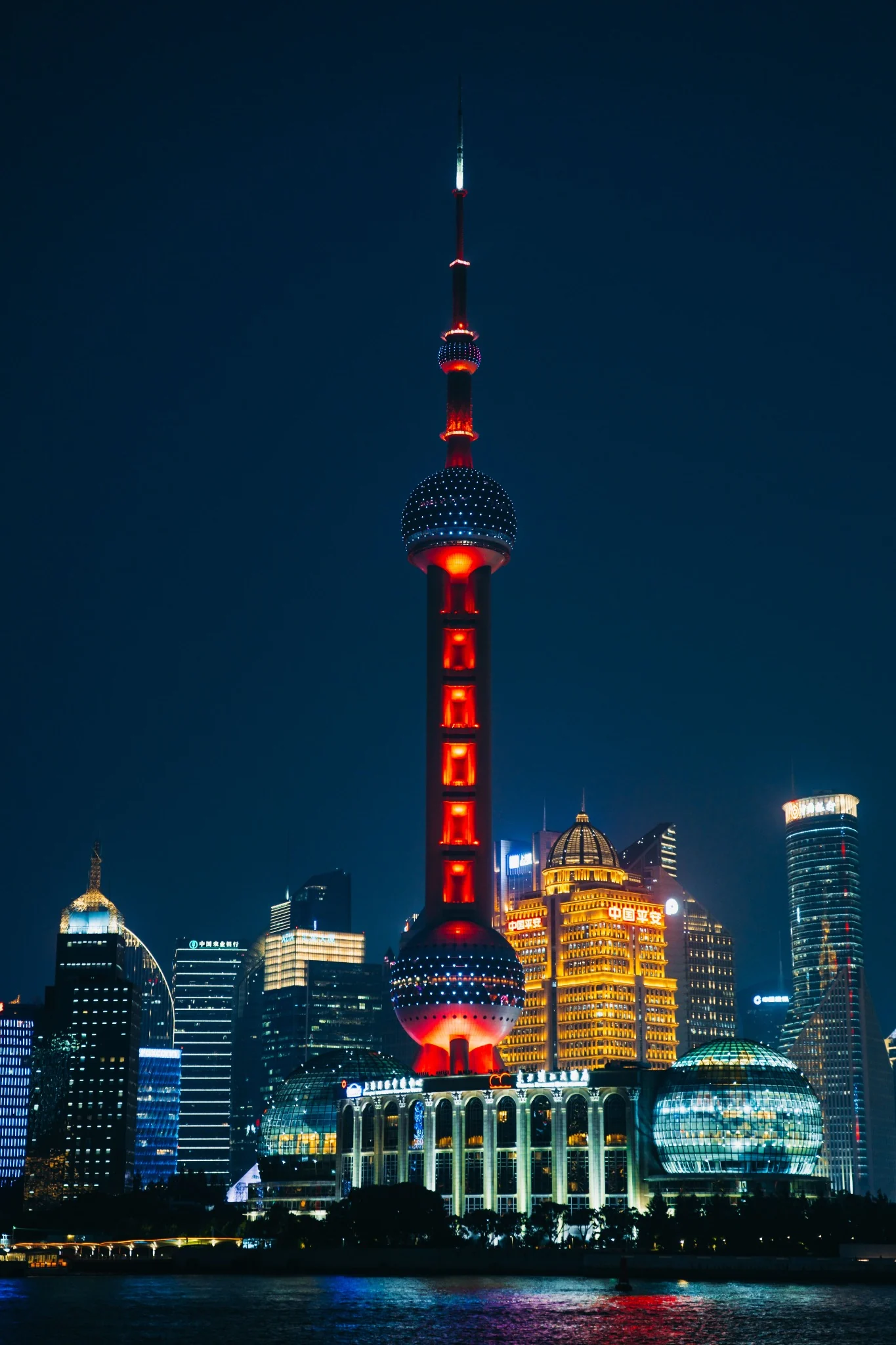
Pearl River Night Cruise (珠江夜游)
The Pearl River is an important part of Guangzhou’s cityscape, and a nighttime cruise offers a different way to experience the city.
From the water, visitors can enjoy illuminated buildings, bridges, and riverside landmarks, particularly around the modern central district and Canton Tower.
A river cruise is a good option for couples, families, or travelers who want to see Guangzhou beyond its shopping streets and busy roads.
Departure locations and schedules vary by operator. Check the boarding pier, available times, and ticket conditions before booking, particularly if you want to cruise around sunset or at night.
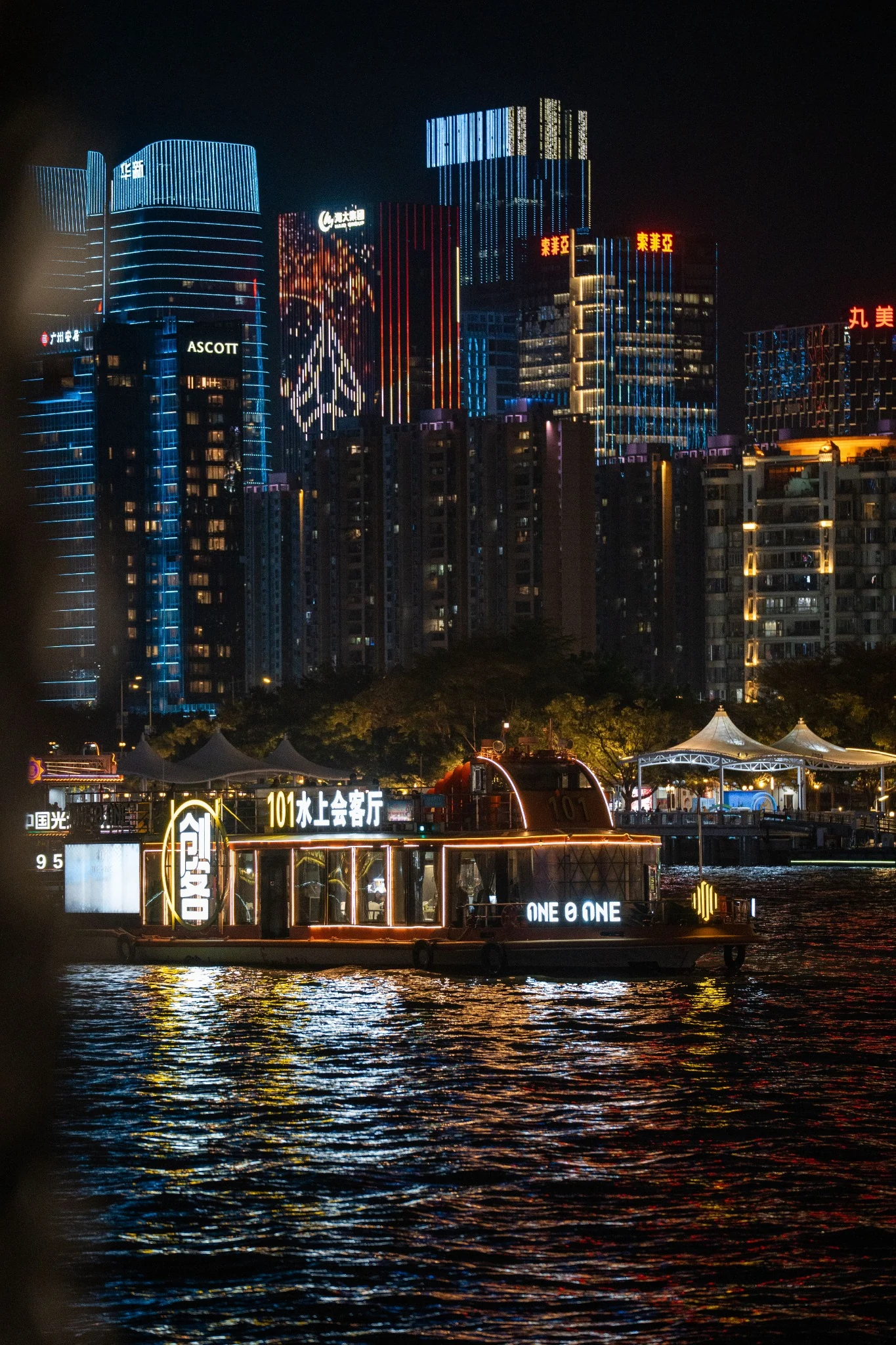
Shamian Island (沙面岛)
Shamian Island is a historic neighborhood known for its architecture influenced by European styles. Its atmosphere contrasts with Guangzhou’s modern skyscrapers and busy commercial districts.
The area features tree-lined streets, historic buildings, cafés, and attractive photography spots. It is ideal for visitors who enjoy architecture, relaxed walks, and discovering a different side of the city.
You can explore the streets at your own pace and stop for coffee or a meal along the way.
Shamian Island is especially appealing when you want a quieter break from shopping malls and crowded attractions.
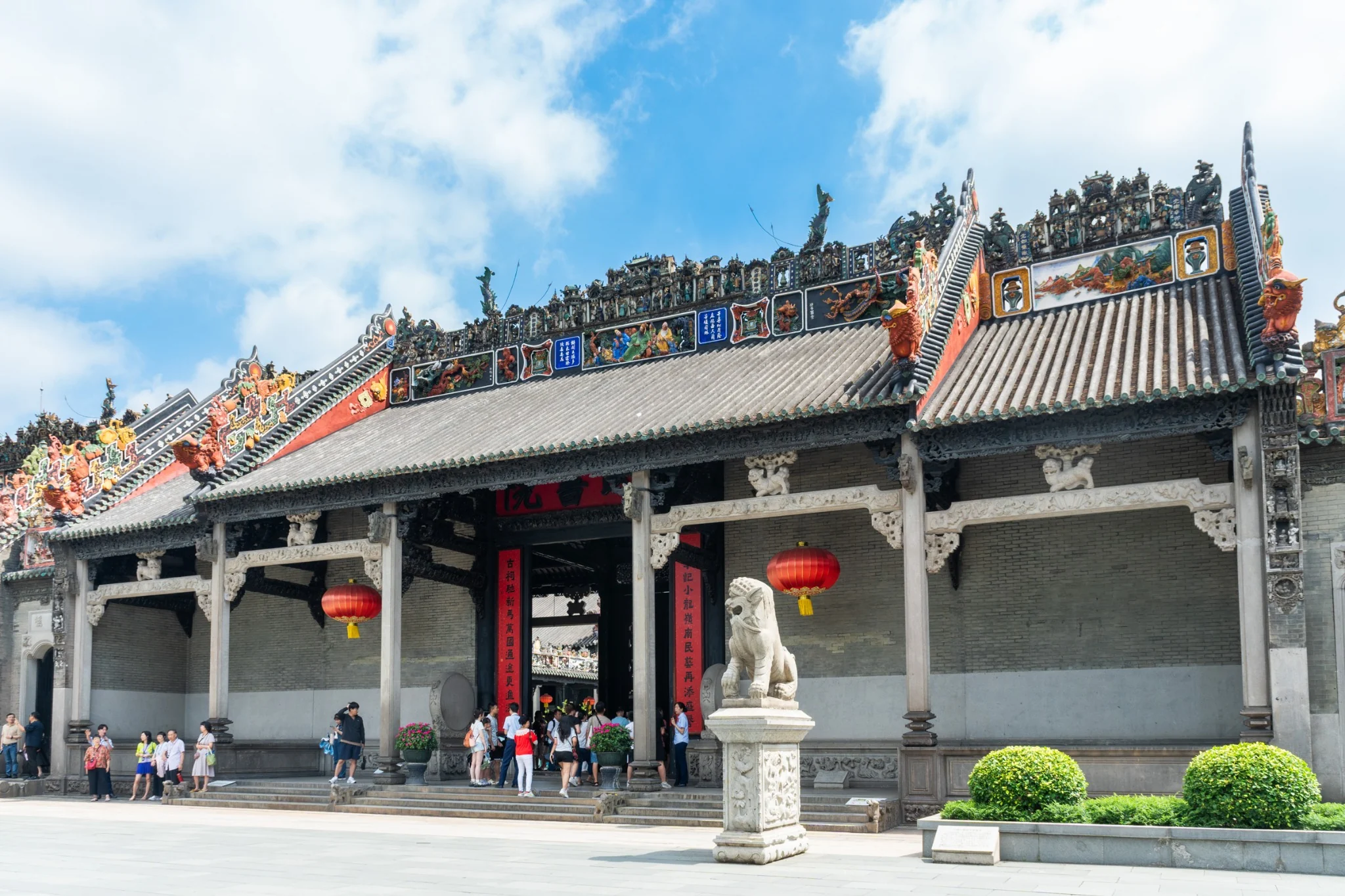
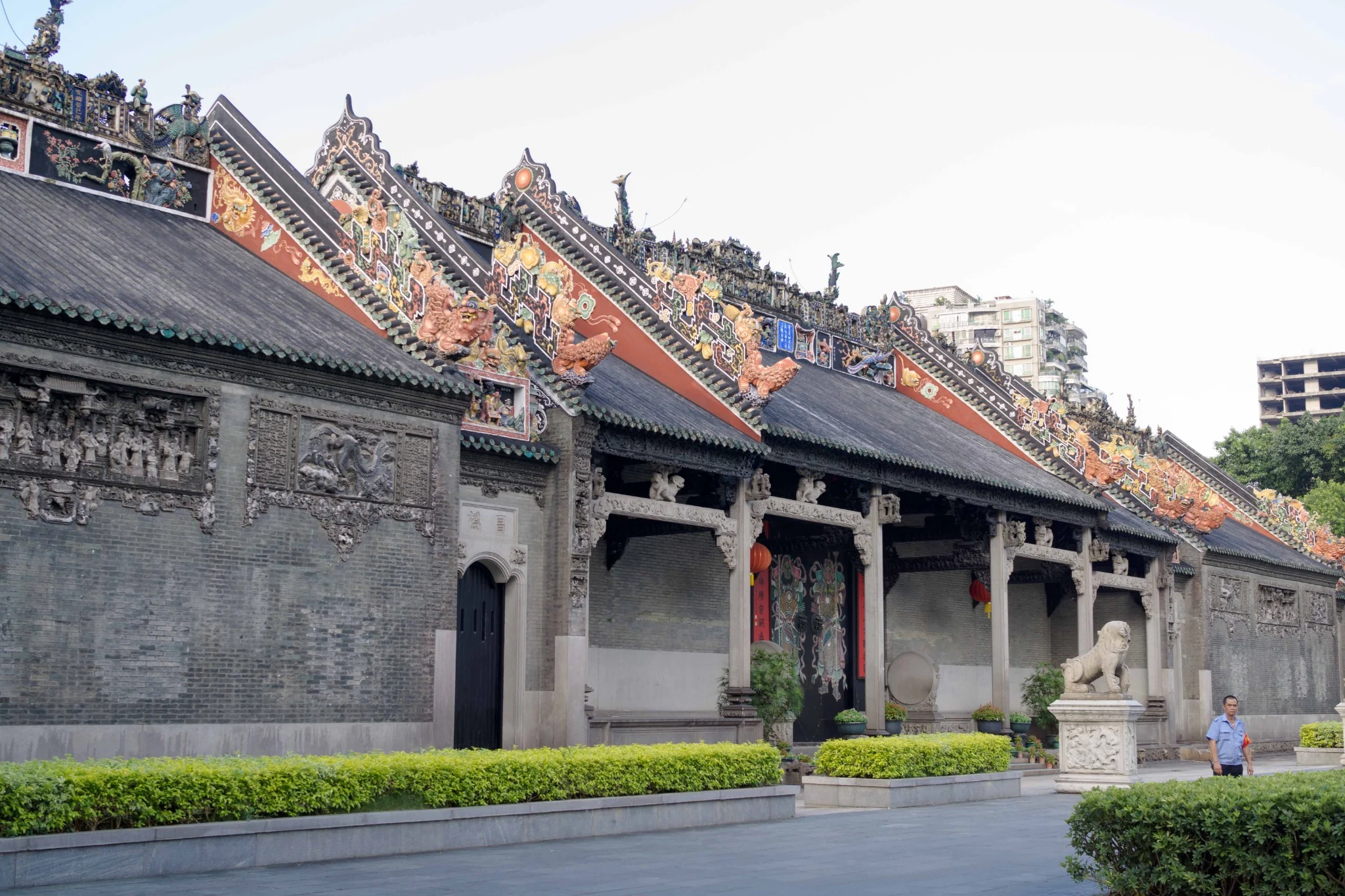
Chen Clan Ancestral Hall (陈家祠)
Chen Clan Ancestral Hall, also known as Chen Clan Academy, is an important example of traditional Lingnan architecture, a regional style associated with southern China.
The complex is known for its intricate carvings, decorative roof details, and traditional craftsmanship. Today, it also houses the Guangdong Folk Art Museum, offering visitors an opportunity to explore local art and cultural heritage.
This attraction is ideal for travelers interested in Chinese history, architecture, folk art, and regional culture.
Allow enough time to appreciate the architectural details instead of simply taking photographs of the exterior.
Beijing Road Pedestrian Street (北京路)
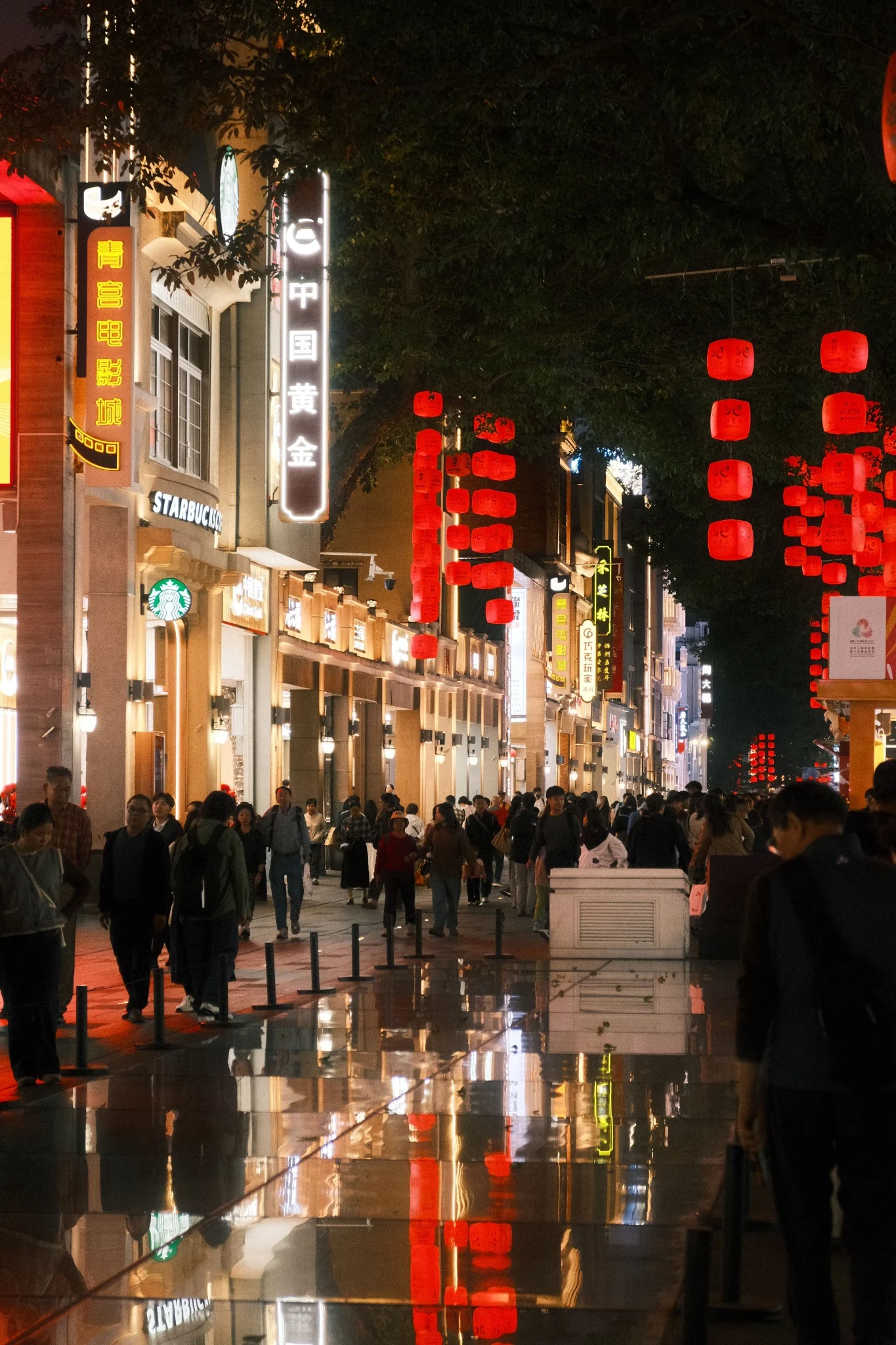
Beijing Road is one of Guangzhou’s popular shopping and dining destinations. The pedestrian area features retail stores, restaurants, souvenirs, and local snacks.
Beyond modern shopping, the street also has displayed archaeological remains that reveal layers of earlier roads beneath the present-day walkway, connecting contemporary commerce with the city’s history.
Nearby, visitors can explore local food streets and Dafo Temple, which is particularly atmospheric when illuminated in the evening.
Beijing Road is a good choice for shopping, trying local food, and enjoying a lively urban atmosphere.
Yongqing Fang (永庆坊)
Yongqing Fang is a revitalized historic neighborhood that showcases Guangzhou’s Lingnan culture and traditional way of life.
The area includes traditional buildings, narrow streets, cafés, small shops, and cultural spaces. Some historic areas have been adapted for contemporary tourism while retaining their local character.
It is a good place to walk, take photographs, explore local architecture, and stop for food or coffee.
You can combine Yongqing Fang with Chen Clan Ancestral Hall and other historic parts of Liwan District, depending on your schedule and transport connections.
Huacheng Square and Zhujiang New Town (花城广场 / 珠江新城)
Huacheng Square is an open public space in Zhujiang New Town, surrounded by modern buildings and contemporary architecture.
The district represents Guangzhou’s modern side, with impressive city views, landscaped spaces, shopping centers, restaurants, and cafés.
Visitors can explore the square and nearby cultural landmarks such as Guangzhou Opera House or Guangdong Museum, according to their interests and the venues’ visitor requirements.
If you want to experience the contrast between traditional Guangzhou and its modern skyline, Zhujiang New Town is an area worth including in your itinerary.
Baiyun Mountain (白云山)
Baiyun Mountain is a natural escape for travelers seeking greenery and a break from the busy urban environment.
The area offers walking routes, forest scenery, and viewpoints over the city. It is suitable for travelers who enjoy walking outdoors, light hiking, and natural landscapes.
Wear comfortable shoes, check the weather, and allow enough time for the visit. During hot or rainy periods, plan your outdoor activities carefully.
Baiyun Mountain may take longer to reach and explore than attractions in the central districts, so it is best treated as a main activity for the day rather than combined with too many distant locations.
When Is the Best Time to Visit Guangzhou?
Guangzhou has a humid subtropical climate. Summers are generally hot and humid, while cooler periods can be more comfortable for walking around the city.
Autumn and Winter
Approximately October to March can be a comfortable period for exploring outdoor attractions, although temperatures and rainfall vary each year.
Spring
Approximately March to May, temperatures become warmer. Rain and humidity may increase, so carrying a compact umbrella or rain jacket can be useful.
Summer
Approximately June to September, Guangzhou is often hot and humid, with periods of heavy rain. Plan outdoor visits for the morning or evening and take breaks in air-conditioned places during the hottest part of the day.
Check the local forecast before traveling so that you can choose appropriate clothing and adjust your itinerary to the weather.
Foods to Try in Guangzhou
Guangzhou is an important destination for Cantonese cuisine, known for fresh ingredients, balanced flavors, and a wide variety of cooking styles.
Dim Sum
Dim sum is one of the must-try food experiences in Guangzhou. Popular choices include shrimp dumplings, steamed dumplings, buns, and other small dishes, often enjoyed with hot tea.
For a more traditional experience, look for a Cantonese restaurant offering yum cha, the custom of enjoying tea and dim sum together, often at breakfast or brunch.
Cantonese Roast Meats
Cantonese roast meats are popular throughout the city. Options include char siu, crispy pork, and other roasted meats, often served with rice and sauce.
Roast Goose
Roast goose is another well-known Cantonese dish, valued for its crisp skin, tender meat, and rich roasted flavor. It is available at many Cantonese restaurants.
Rice Noodle Rolls (Cheung Fun)
Cheung fun consists of soft rice noodle sheets, commonly served with soy-based sauce or a restaurant’s own seasoning. It is popular for breakfast and light meals.
Wonton Noodles
Cantonese wonton noodles are commonly served in broth with dumplings filled with shrimp or pork. They are a good option for travelers who prefer a comforting, savory meal.
Before choosing a restaurant, check the menu, prices, and reviews. If you have dietary restrictions or food allergies, communicate them clearly to the restaurant staff.
Where to Stay in Guangzhou
When choosing accommodation, consider your budget, the nearest metro station, and the areas you plan to visit.
Tianhe and Zhujiang New Town
These areas are suitable for travelers who prefer modern surroundings, shopping malls, restaurants, and business facilities. They can be convenient for business travelers who want to stay near Guangzhou’s modern commercial district.
Beijing Road and Yuexiu
These areas are useful for visitors who want access to pedestrian shopping streets, local food, and historic attractions. Check the distance from your hotel to the nearest metro station and the places you plan to visit.
Liwan and the Shamian Area
These areas appeal to travelers interested in historic architecture, traditional neighborhoods, and local culture. The atmosphere is different from the modern high-rise districts.
Before booking, check the hotel location on a map, the walking distance to the metro, and the route from your arrival airport or railway station.
Getting Around Guangzhou
Guangzhou has an extensive metro network connecting major districts and transport hubs, making it a practical way to explore the city. Check routes, transfers, and service hours before departure.
Taxis or ride-hailing services may be more convenient for travelers carrying heavy luggage or traveling with family, particularly for journeys where several transfers would otherwise be needed.
If arriving at Guangzhou Baiyun International Airport, check your flight’s terminal and the available metro, bus, or shuttle connections to your accommodation. The airport has multiple terminals and connections between them, so confirm the correct route before traveling.
Travelers arriving by high-speed train should check the exact station shown on their ticket, such as Guangzhou South Railway Station or another Guangzhou station. These stations are in different areas and may require additional travel to reach your hotel.
Preparing for Your Guangzhou Trip
Before traveling to Guangzhou, prepare the following:
• Passport and travel documents
• Flight and accommodation details
• Visa or entry requirements relevant to your nationality and purpose of travel
• China Arrival Card, where applicable
• Suitable payment methods for use in China
• Internet access or an eSIM that supports your device and travel needs • Maps, metro stations, and destination names in Chinese
• Backup payment methods and emergency funds
• Travel insurance
• Tickets or reservations for attractions that require advance booking
For your first visit, it is helpful to save your hotel name and important destinations in Chinese on your phone. This can make it easier to ask for directions or show the destination to a driver.
How to Explore Guangzhou Without Getting Too Tired
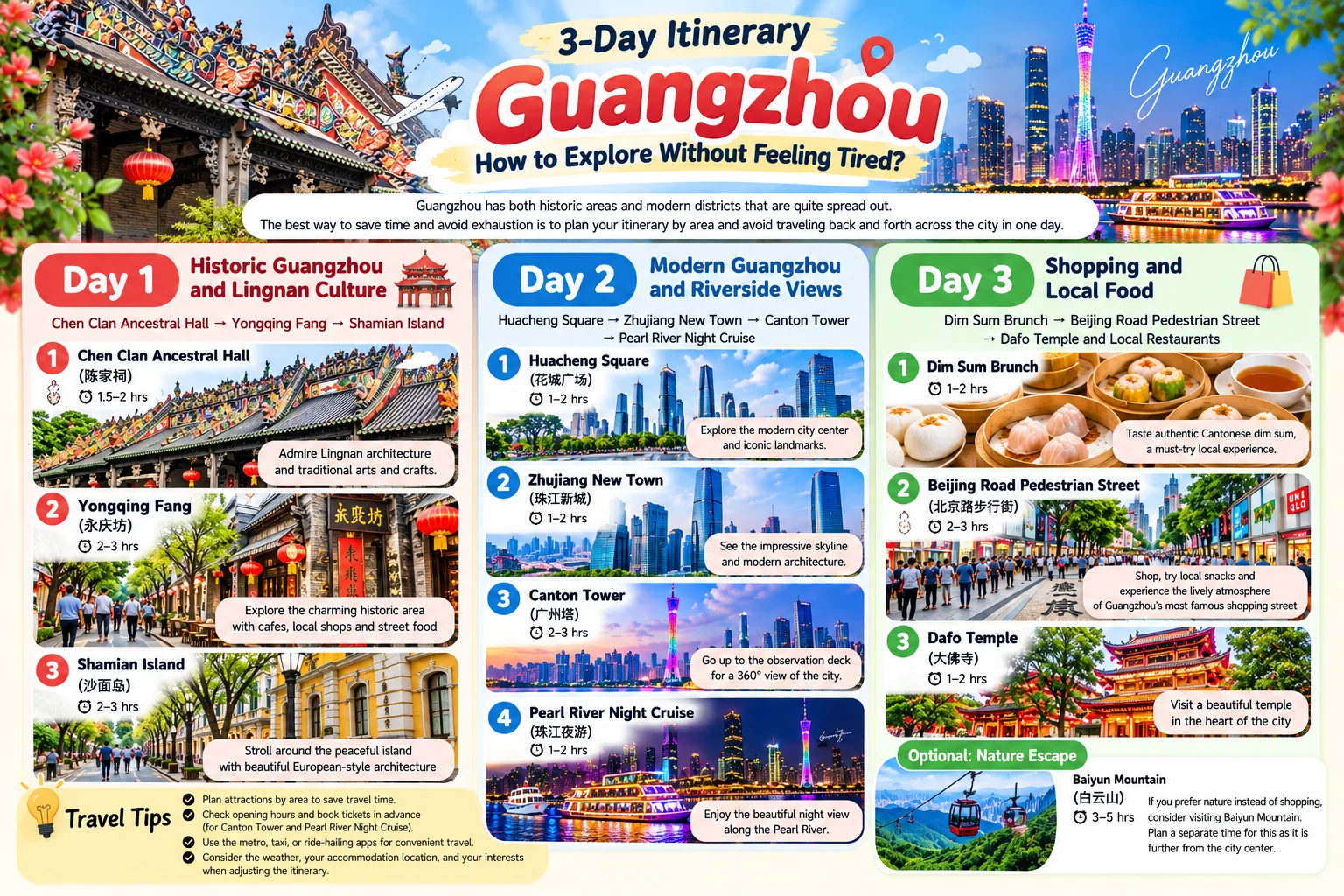
Guangzhou has both historic neighborhoods and modern districts that may be some distance apart. The most practical approach is to group attractions by area instead of crossing the city multiple times in one day.
Day 1: Historic Guangzhou and Lingnan Culture
Chen Clan Ancestral Hall → Yongqing Fang → Shamian Island
Begin with the architecture and folk art at Chen Clan Ancestral Hall, then explore the historic streets of Yongqing Fang before ending the day with a relaxed walk around Shamian Island.
This route is suitable for visitors interested in history, architecture, culture, and photography.
Day 2: Modern Guangzhou and the Pearl River
Huacheng Square → Zhujiang New Town → Canton Tower → Pearl River Night Cruise
Explore the modern district during the day, then visit Canton Tower in the late afternoon or evening. Finish with a river cruise, depending on the available departure times.
Check tower opening hours and cruise schedules in advance, especially if you plan to do both activities on the same day.
Day 3: Shopping and Local Food
Dim sum brunch → Beijing Road Pedestrian Street → Dafo Temple and local restaurants
Start with a traditional dim sum meal, then spend time shopping, exploring the pedestrian street, and trying local Cantonese food.
If you prefer nature to shopping, consider visiting Baiyun Mountain instead. Allow sufficient time for the journey and outdoor activities.
This itinerary can be adjusted to match your accommodation, weather, attraction opening hours, and interests. Reserve tickets in advance where needed.
Guangzhou Travel Summary
Guangzhou combines Cantonese food, local history, cultural traditions, and modern urban life. Visitors can enjoy dim sum at traditional restaurants, explore the craftsmanship at Chen Clan Ancestral Hall, shop along Beijing Road, and admire the skyline from Canton Tower or the Pearl River.
For a first visit, around 2–3 days is a useful starting point. Add more time if you want to visit theme parks or natural attractions farther from the city center.
Planning your accommodation, metro routes, payment methods, internet access, and entry documents in advance can make your Guangzhou trip more convenient and enjoyable.
Back to the China Travel Guide
Planning a trip to China? Explore more popular cities and useful travel information here.
Prepare for Your China Trip
• Do Thai Travelers Need a Visa to Visit China?
Plan Your Guangzhou Trip with Yahweh Booking
Yahweh Booking helps make travel planning easier with flight booking, hotel booking, travel insurance, and useful information before your trip.
Start planning your Guangzhou trip with Yahweh Booking.
Opening hours, ticket reservations, transport routes, and entry requirements may change. Always check the latest information through official channels before traveling.